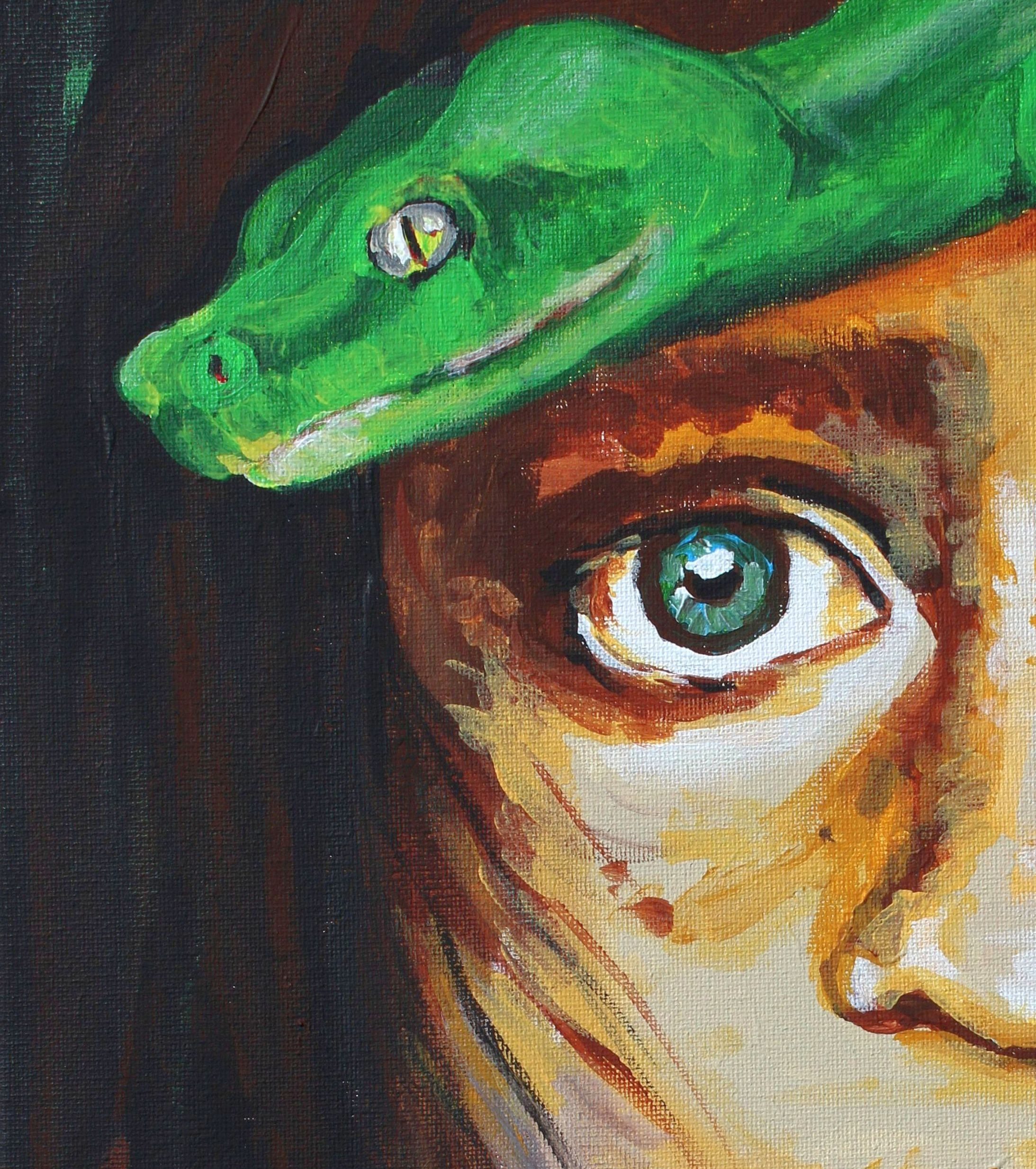

When Naghmeh’s husband Saeed is imprisoned in Iran, she throws herself into the impossible task of securing his release. As their story unfolds across international media, the world sees a hero—the persecuted pastor of Iranian’s underground church; a husband and father forcibly separated from his family—but another story has been unfolding out of this limelight for years, one in which he has taken a prisoner.
In her very raw memoir, Naghmeh Abedini Panahi, lays bare the untenable paradox of her life with Saeed—the pastor of a large, successful house-church movement, a man she ministered alongside as they welcomed fellow Iranians to faith in Jesus, and a man who waged a war of physical and psychological violence against her.
In this brave telling, Naghmeh lays bare her own soul and humiliation. We see a woman desperately trying to hold her family together and to become worthy of her husband’s love while he employs classic coercive control tactics: holding her to a moral standard he fails to meet; blaming her for his own moral failures; instilling a sense of rejection in her while dangling enough false hope to keep her working hard for his acceptance; and punishing her when she falls short of his expectations. For years, Naghmeh struggled not to internalize the barrage of negative messages—that she was ugly and unworthy of love or respect. For years, she endured threats and intimidation, and even rape and physical beatings.
With the help of a trusted counselor, Naghmeh gives the right name to her experience with Saeed: abuse. When her husband is released and returns to the US, she finds herself she facing yet another giant: the head of an international ministry with a vested interest in Saeed’s story. He ambushed and gaslit her to get his happy ending—a pastor freed and a family happily reunited—no matter the cost to Naghmeh or her children’s safety. Meanwhile her husband threatened divorce if she didn’t comply.
A divorce was the last thing in the world Naghmeh wanted. She wanted her family restored and whole. Divorce was costly in evangelical circles—the scarlet letter that brands a woman less-than and disqualifies her from ministry. Naghmeh had long ministered in the Iranian house churches and even once imagined herself serving as a doctor in Africa. She took comfort in a powerful, but mysterious dream God had given her in which she saw herself standing broken before a group of covered women. Through it, she understood she would one day serve Muslim women by sharing the power of a God who loved them, but from a place of her own brokenness.
This lion-hearted woman stood firm against the pressure of powerful men who teamed up to bend her knee to the idol of marriage, to force her to collude with the presentation of a false reality. She could have enjoyed the status of being the wife of a returning Christian hero, could have completed her book and movie deals, keeping up the façade, but she choose truth and the suffering and ostracization that came with it.
Naghmeh’s battle is not hers alone. Countless women in Christian marriages across the globe fight for their lives with abusive husbands. Naghmeh lights the way out for them, but her story makes Christendom squirm. How is it possible for an evangelist, the leader of an underground church, to systematically destroy his wife’s dreams and personhood, and use violence against her? How can a man of the cloth be abusive? It’s hard to reconcile these realities. Naghmeh challenges Western churches not to ignore this uncomfortable truth, not to sacrifice women on the altar of marriage, and not to value the institution more than the image-bearers being crushed within it.
As David was prepared to take down Goliath by his encounters with bears and lions as a shepherd, the persecution Naghmeh suffered as a Christian in Iran has prepared her for this fight. She uses her voice to call the Western Church to stop abusing its power and instead, turn to use it to protect and care for the vulnerable and abused.
Become small. Become lowly.
The Western Church has things upside down and is spiritually weak because of it. Naghmeh calls the church to repent from a country-club mentality, to stop pursuing more programs and new buildings and return to its first love. Pastors without accountability, institutionalized churches with top-down hierarchies and celebrity culture, and their focus on worldly platforms and self-preservation are the culprits behind the neglect of the church’s mandate to love the lowly. True pastors and shepherds protect and nurture their flocks. She calls on churches to allocate resources to helping the most vulnerable, the least of these include abuse victims.
She praises the Iranian house-church model with its flat structure where members are simply brothers and sisters in Christ, serving one another and reaching the lost, as a model for the West. The Iranian underground church comprised of these small house churches became a force to be reckoned with in Iran.
Naghmeh goes on to ask: what if the woman at the well is the key to the city?
Muslim women are drawn to the church because of the honor and equality Jesus gave women, a striking contrast to their own experience. In the Iranian house-church, women who were historically treated as second-class citizens, found themselves equal partners in ministry, even leaders in house-churches, a powerful force in the house-church movement.
To the broken and rejected, Naghmeh says: God has not abandoned you. You are still useful to him. Having emerged from her own personal prison transformed—no longer defined by her past, her successes or failures, her marital status, her culture or nationality, her work, or anyone else’s opinion of her, but by God himself—she offers other broken women hope. Her identity and newfound self-respect is rooted in Christ, her anchor. Truth has triumphed over the lies she once believed about herself, her fear replaced by powerful faith and hope.
I Didn’t Survive by Naghmeh Abedini Panahi
Whitaker House, October, 2023
288 pages
Jana H. Burson, a social entrepreneur, has worked among marginalized women for 25 years in places like Afghanistan, India, and Kenya. With master’s degrees in business and counseling, she coaches and mobilizes other unlikely world changers to take their places. Her memoir, Jewels in the Rubble: Into Afghanistan, releases in 2025.
 Heart of Flesh Literary Journal