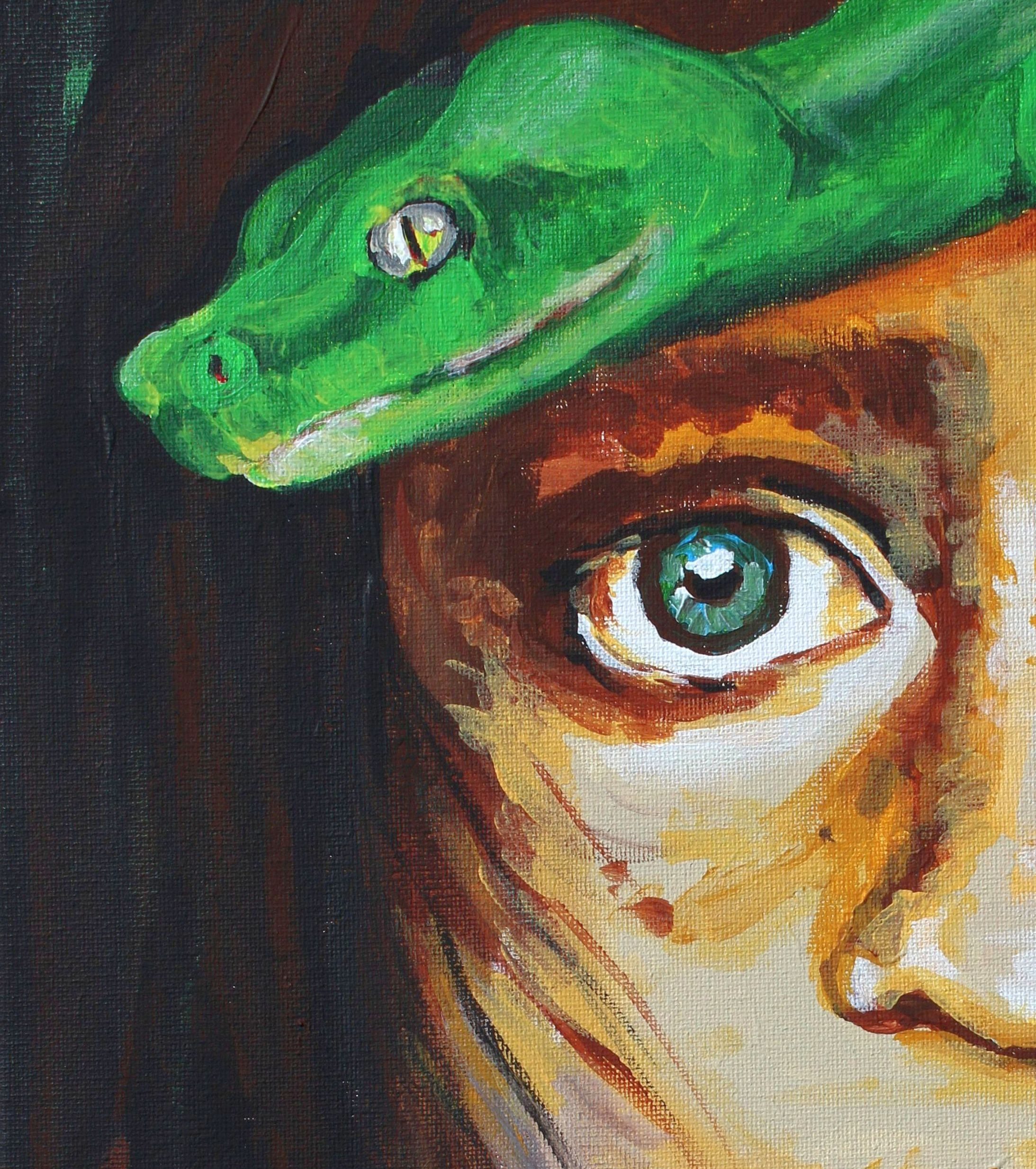
FICTION
For Those Who Weep
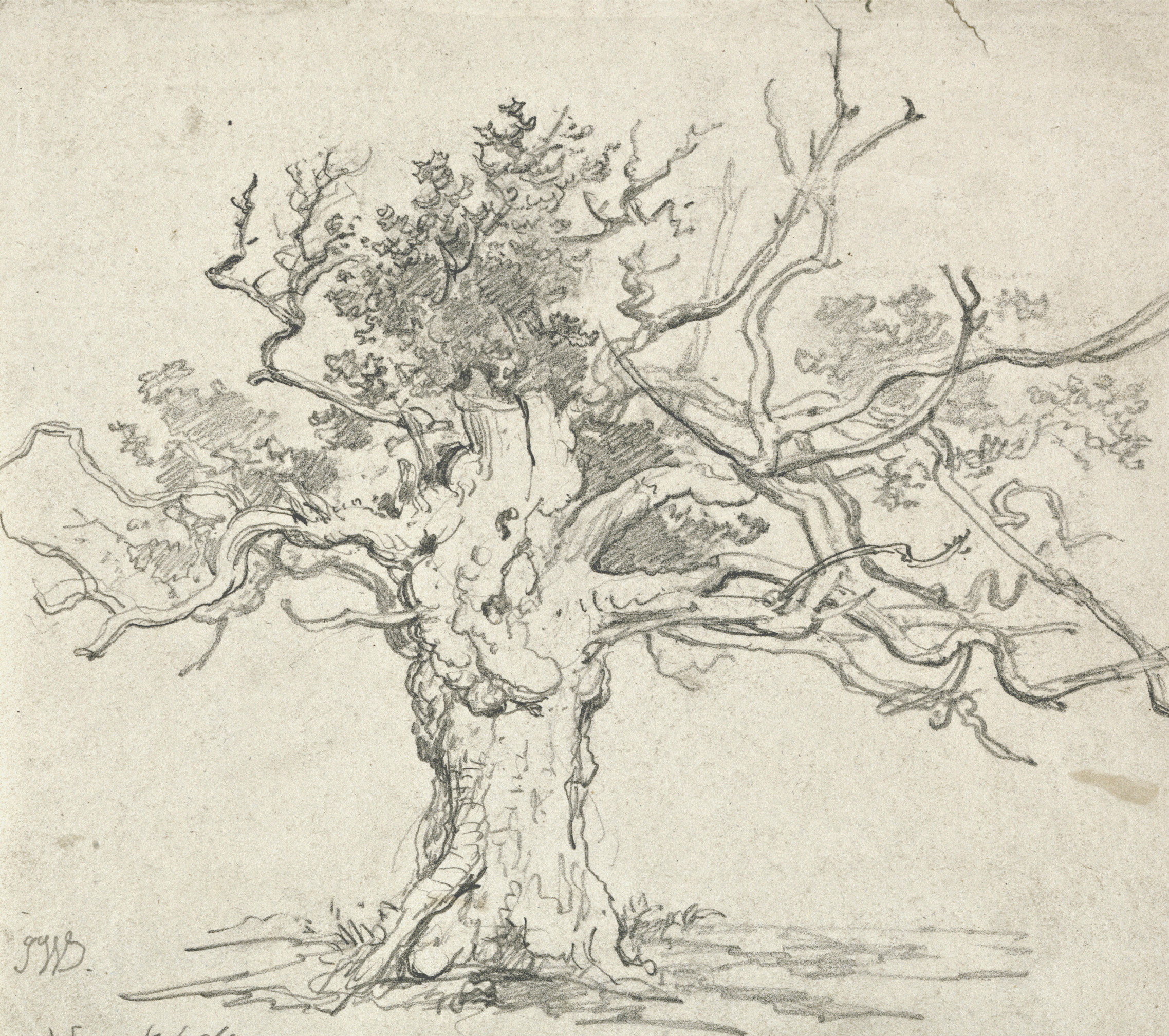
Mama says the world’s a crooked thing, and the tree down by the creek just learned to grow with it. It sits at the edge of Cinder Hollow, bent over the water like it’s tired of keeping its head up. Folks say its roots reach straight into Hell, and maybe that’s true. Nothing green ever grows around it, just the same brittle grass that dies every summer before it has the nerve to bloom.
When I was a child, I thought it was just a tree. Granddad said otherwise.
“That tree remembers,” he’d rasp. “Every limb’s got a ghost hanging off it. The kind that asked for too much bread or too much fairness.”
Then he’d spit into the dirt like he was trying to rid his mouth of the taste of the world.
“Folks in this town think God likes things quiet,” he said once. “Think He likes things stayin’ the way they’ve always been.”
He leaned back in his chair and pointed a crooked finger toward the creek.
“But the Good Book’s full of people who wouldn’t leave the world alone. Take old Jeremiah. That man spent his whole life shoutin’ and weepin’ cause things weren’t right. Didn’t matter that nobody listened. Didn’t matter that they called him crazy. Some souls are born with that same trouble in ‘em. They see the world the way it is, and they refuse it.”
Mama would hush him. “Don’t fill her head with talk like that,” she’d say. “Work’s the only honest thing left.”
Mama’s hands stayed red and cracked from scrubbing other folks’ laundry, and her eyes always looked like she was waiting for something better that never came.
***
The summer after Granddad died, I started spending time near the creek. The air there was heavy, but quiet like the world had forgotten to breathe.
That’s where I met her.
She came walking out of the trees one afternoon, her dress torn at the hem, her hair wild like she’d cut it herself. Said her name was Ruth Harper. She was maybe nineteen, just a few years older than me, but she carried herself like someone who’d already seen the end of everything.
“Didn’t mean to scare you,” she said, smiling slow. “I’m lookin’ for work.”
I told her there wasn’t much of that around here.
“Then maybe I’ll make some,” she said.
She followed me home, and Mama, though wary, gave her a plate of cornbread and beans. Ruth thanked her proper, then asked if she could sleep in the shed for a spell. Mama didn’t like it but said yes, she always did when pity outweighed fear.
***
Ruth worked hard. Harder than most men I’d seen. She mended fences, gathered kindling, and fixed the washboard Mama said was beyond saving. But it was the way she looked at things that unsettled me, like the world was a secret she’d already read the ending to. She carried a small, leather Bible everywhere she went. Kept it in her apron pocket, bound in a strip of worn twine. I saw her open it once when she thought I wasn’t looking. The margins were filled edge-to-edge with her handwriting. Notes in pencil, scratched prayers, questions that read more like arguments. She wasn’t just reading from God; she was writing to Him.
Later I asked what she wrote in there.
She said, “Truths no one else’ll listen to.” Then she smiled, soft and strange. “Figure the Lord is busy with the prayers of others, so I’ll just write it down here so He can read it later.”
Ruth asked questions no one else asked.
“Why’s that tree still standin’, Eliza?”
“’Cause it’s old,” I said.
She shook her head. “No. It’s standin’ ‘cause they need it to. ‘Cause every time somebody looks at it, they remember what happens to folks who forget their place. They say work makes you honest. But honest don’t feed you, does it?”
I didn’t answer.
***
The next time I saw Ruth, she was staring at the tree; it was twilight. The air had gone lavender, and lightning bugs blinked around her like ghosts trying to warn her off.
“I could burn it,” she said softly. “One good night of wind and kerosene.”
Her voice was steady.
“You’d get killed for that,” I whispered.
She smiled. “Maybe. But it’d die first.”
***
That night, I couldn’t sleep. The air was thick and restless, the kind that makes dogs whine and screen doors tremble. Out my window, I saw the faint glow of a lantern heading toward the creek. I told myself to stay put. But I had to know if Ruth meant what she said.
When I reached the edge of the clearing, the air already smelled of oil and smoke. Ruth stood before the hanging tree, her dress ghost-white in the moonlight, a tin can of kerosene swinging at her side.
She struck a match against her Bible’s spine and touched the flame to the bark. For a moment, nothing happened. Then the fire caught, climbing slow and hungry, orange tongues licking the noose scars.
The flames reflected in her eyes.
The tree groaned like it remembered everything. Sap hissed. Smoke curled low and black. I wanted to run to her, to stop her, but my legs wouldn’t move. Then the wind shifted, and in a rush of sparks, she was gone. Whether she ran or burned, I never knew. By morning, all that was left was a black stump and a smell that clung to your skin like sin.
***
I used to think Ruth Harper was gone. But now I wonder if the world ever lets a soul like hers leave for good. Because last night, I found her Bible half-buried by the creek. The pages were soaked, the ink smeared, but one line was still clear:
“Lord, if the meek shall inherit the earth, then let me make it worth inheriting.”
I stood there a long time listening to the water move over the rocks. Granddad used to say the prophet Jeremiah cried because people refused to hear the truth, even when it was shouted in the streets. Standing there with Ruth’s Bible in my hands, I started to wonder if maybe the Lord still sends folks like that now and then. The kind who see the world as it is and refuse it.
Kyler Littlejohn is a junior at the University of Texas at Tyler, majoring in Education with a minor in English. Inspired by a rural upbringing, her writing explores themes of faith, family, hardship, and love. Her work has previously been published in Tyler Junior College’s Bell Tower Arts Journal.
Next (Chelsea Barnwell) >
< Previous (Paul Michael Garrison)
Image is in the Public Domain.


I loved this story … Eliza’s narration, the setting, Ruth’s yearning to do something about a troubling past, everything!
LikeLike